

led mirror price
Control Valve Sizing Ensuring Optimal Performance in Fluid Systems Control valves play a pivotal role in the efficient operation of many industrial processes, particularly those involving fluid systems. The process of control valve sizing is crucial as it directly impacts the flow characteristics, pressure drop, and overall system performance. Properly sized control valves can optimize system efficiency, enhance safety, and minimize operational costs. This article will delve into the key considerations and methodologies involved in control valve sizing. Understanding Control Valve Functionality Control valves regulate the flow of fluids by varying the size of the flow passage as directed by a signal from a controller. They respond to changes in system conditions—such as pressure, temperature, and flow rate—ensuring that the process operates within desired parameters. Proper sizing is essential to ensure that the valve can respond effectively to these changes without causing excessive pressure drops or flow instability. Key Factors in Sizing Control Valves Several critical factors must be considered when sizing control valves 1. Flow Rate The most fundamental parameter is the flow rate of the fluid through the valve, which can be influenced by the process requirements. It is vital to know the maximum and minimum flow rates to determine the appropriate valve size. 2. Fluid Properties The fluid type (liquid or gas), density, viscosity, and temperature drastically affect flow characteristics . Knowledge of these properties helps in selecting the right valve type and sizing it accordingly. 3. Pressure Drop The pressure drop across the control valve is crucial for sizing. It is determined by the flow rate and the characteristics of the piping system, such as pipe diameter and length. A proper balance must be struck; too large a pressure drop can lead to instability in flow control, while too small can result in inadequate performance. 4. Valve Characteristics Determining the valve's inherent flow characteristics (linear, equal percentage, or fast-opening) is essential. Each characteristic affects how flow changes in relation to valve position, impacting system performance and response times. 5. Cv Calculation The flow coefficient (Cv) is a crucial factor in the sizing process, indicating the amount of water (in gallons per minute) that can flow through a valve at a specific pressure drop. The formula to calculate Cv is \[ Cv = \frac{Q \cdot \sqrt{SG}}{\sqrt{Delta P}} \] Where Q is the flow rate, SG is the specific gravity of the fluid, and ΔP is the pressure drop. control valve sizing Sizing Methodology The control valve sizing process generally involves the following steps 1. Define the Process Requirements Clearly outline the operational limits, including flow rates and pressure conditions. 2. Gather Fluid Data Collect necessary data about the fluid, including its flow properties and behavior within the system. 3. Calculate Flow Coefficient Using the Cv formula, calculate the required Cv based on the desired flow rate and expected pressure drop. 4. Select the Valve Choose a valve that matches the calculated Cv and suits the specific application requirements, taking into account the valve type, size, and characteristics. 5. Verify Performance Once the valve is selected, it is important to verify that its performance meets the application’s needs under various operating conditions. Conclusion Control valve sizing is an essential aspect of designing effective fluid systems. Selecting the right valve size ensures optimal flow control and system efficiency. By following a structured sizing methodology and considering all influencing factors, engineers can avoid performance issues, ensure safety, and reduce operational costs. Understanding the nuances of control valve sizing empowers professionals to make informed decisions that enhance the reliability and efficiency of industrial processes. In summary, diligent attention to control valve sizing not only improves system responsiveness but also paves the way for robust and efficient operations in various applications, from chemical processing to water treatment and beyond. As industries continue to evolve, mastering this fundamental skill will remain critical for engineers and operators alike.
about
led mirror price
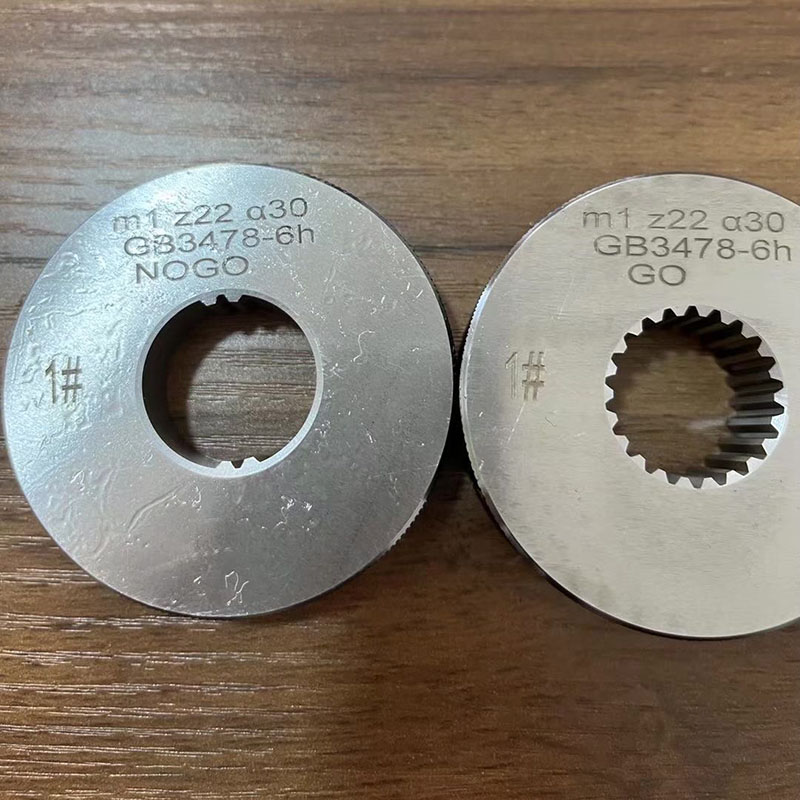
Understanding Standard Plug Gauges An Essential Tool in Precision Engineering In the world of manufacturing and engineering, precision is of utmost importance. Whether it’s in automotive production, aerospace engineering, or any form of mechanical assembly, ensuring that components fit together perfectly is vital for the safety, functionality, and quality of the final product. One of the key tools used to achieve this level of precision is the standard plug gauge. What is a Standard Plug Gauge? A standard plug gauge is a cylindrical tool used to measure the diameter of holes or the internal dimensions of parts. It serves two primary purposes to check whether a hole is within a specified size tolerance (go) or if it is out of specification (no-go). The gauge typically features two ends—one marked “go” and the other marked “no-go.” When the “go” end of the plug gauge fits snugly into the hole, it indicates that the dimension is acceptable. If the “no-go” end does not fit into the hole, it further confirms that the dimension is within the specified tolerance limits. This simplicity and effectiveness make standard plug gauges indispensable in quality control processes. Construction and Materials Standard plug gauges are usually constructed from high-quality steel, which offers durability and resistance to wear. They are often heat-treated to enhance their hardness, ensuring that they retain their shape and accuracy even after repeated use. The finishing process typically involves grinding and polishing to achieve precise dimensions and a smooth surface, which is important for reliable measurement. In some specialized applications, plug gauges may be made from different materials such as carbide or even ceramic, especially when extreme durability or heat resistance is required. These materials allow for greater longevity and maintain accuracy over a longer period, which is a critical factor in industries that demand high precision. standard plug gauge Applications of Standard Plug Gauges Standard plug gauges are widely utilized across various industries. In the automotive sector, they are used to ensure that engine components fit together correctly, which is essential for optimal performance and safety. Similarly, in the aerospace industry, plug gauges help maintain stringent tolerances required for aircraft parts, where even minute discrepancies can lead to catastrophic failures. Moreover, plug gauges are used in assembly lines to streamline the production process. By incorporating these gauges into the quality assurance phase, companies can detect defects early, reducing waste and rework costs. Additionally, plug gauges are invaluable in tool and die making, where precision is critical for the creation of molds and parts. Calibration and Standards The accuracy of standard plug gauges is paramount to their effectiveness. Regular calibration is essential to ensure that they maintain their specified dimensions and tolerances. Calibrating plug gauges typically involves comparing them against a master gauge with known dimensions. This process helps identify any discrepancies that need adjustment. Moreover, standard plug gauges must adhere to internationally recognized standards, such as those set forth by the American National Standards Institute (ANSI) and the International Organization for Standardization (ISO). Compliance with these standards not only ensures consistency in measurement but also fosters trust among manufacturers and customers alike. Conclusion In conclusion, standard plug gauges play a crucial role in precision engineering and quality control across various industries. Their simple design, combined with their effectiveness in measuring internal dimensions, makes them an invaluable tool for ensuring that components meet rigorous specifications. As technology continues to advance, the importance of precise measurements will only increase, solidifying the position of standard plug gauges as essential instruments in the manufacturing world. Ensuring their proper use and maintenance is vital for any enterprise aiming for excellence in production and assembly processes.
-

High quality industrial productsagement

High quality industrial products
View Details -

Meet the diverse needs of customers

Meet the diverse needs of customers
View Details -

Strict quality control

Strict quality control
View Details -

Top raw materials

Top raw materials
View Details -

Trusted supplier

Trusted supplier
View Details
Our application


news and information
Y filtre en fonte
Le Strainer Y en Fonte Un Équipement Indispensable pour l’Industrie Dans le domaine de l’industrie,
Wholesale Solutions for Valves and Related Products in the Industry
Exploring Valve Wholesale An Overview In the world of industrial applications, valves play a crucial
Water Hose Safety Understanding Check Valves Functionality
Understanding the Importance of Water Hose Check Valves A water hose check valve, also known as a n
 English